
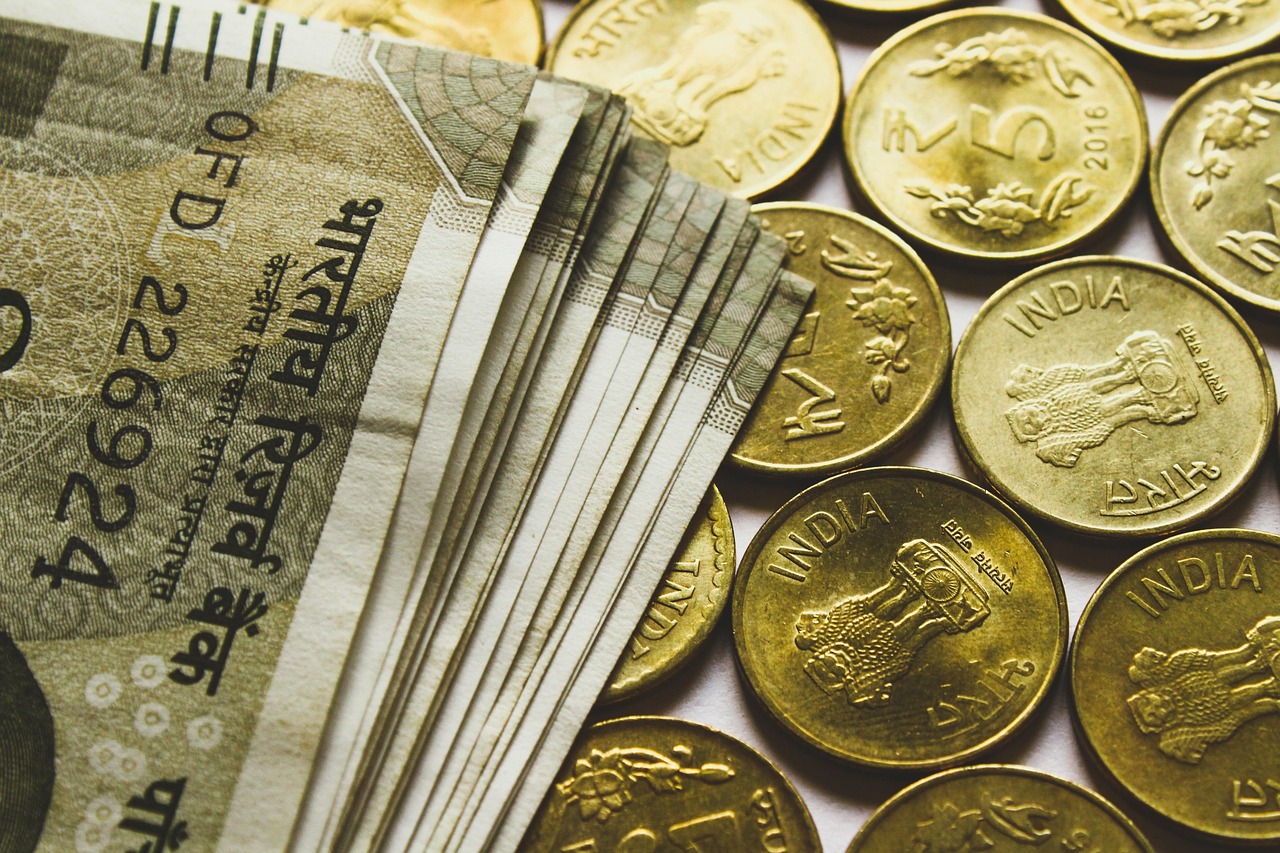
Rupee Jumps After RBI Unveils Currency-Defense Measures: India’s rupee strengthened after the Reserve Bank of India (RBI) unveiled measures aimed at supporting the domestic currency, bringing renewed attention to the central bank’s efforts to manage volatility in the foreign exchange market. The development highlights the importance of policy intervention at a time when movements in the US dollar, global oil prices, foreign investment flows and international economic uncertainty can place pressure on the Indian currency.
The rupee’s recovery following the announcement reflects how central bank decisions can influence market sentiment, particularly when investors are concerned about sharp currency movements. For India, exchange-rate stability is an important economic consideration because the country depends on imports of crude oil, machinery, electronic components and several other essential goods. A weaker rupee can increase the cost of these imports, while excessive volatility can complicate financial planning for businesses, investors and policymakers.


The RBI’s currency-defense measures are therefore significant not only for currency traders but also for importers, exporters, companies with foreign-currency debt and consumers. Although a short-term rise in the rupee can signal improved market confidence, the sustainability of the recovery will depend on broader economic conditions and the effectiveness of the central bank’s policy response.
RBI Currency-Defense Measures Bring Relief to the Rupee
The Reserve Bank of India plays a central role in maintaining monetary and financial stability. While India operates a market-determined exchange-rate system, the RBI may intervene when movements in the rupee become excessively volatile or threaten orderly market conditions.
Currency-defense measures can involve different policy instruments, depending on the source and intensity of pressure in the foreign exchange market. These may include foreign-exchange market operations, adjustments to banking regulations, measures affecting foreign-currency liquidity and other steps designed to influence the supply and demand for dollars.
The exact effect of any intervention depends on its structure, timing and scale. When traders believe that the central bank is prepared to address disorderly currency movements, speculative pressure may ease and market participants may become more cautious about betting against the domestic currency.
The rupee’s reported jump following the latest announcement suggests that investors responded positively to the policy signal. However, the scale and durability of the move will depend on the specific measures introduced, market positioning and developments in global financial markets.
For the RBI, the challenge is to reduce disruptive volatility without committing to defending a particular exchange-rate level indefinitely. Maintaining confidence in the currency while preserving adequate foreign-exchange reserves and domestic liquidity requires careful policy management.
Why Was the Indian Rupee Under Pressure?
Currency movements are influenced by several interconnected economic and financial factors. The rupee can come under pressure when demand for US dollars rises faster than the available supply, particularly during periods of global uncertainty or substantial capital outflows.
One important factor is the strength of the US dollar. When investors expect US interest rates to remain elevated, dollar-denominated assets may become more attractive. This can encourage international investors to shift funds towards US Treasury securities and other dollar-based investments, increasing demand for the American currency relative to emerging-market currencies such as the Indian rupee.
Foreign investment flows also influence the rupee. When foreign institutional investors sell Indian equities or debt securities and repatriate the proceeds, they may need to purchase dollars. Increased dollar demand can put downward pressure on the rupee, particularly if other sources of foreign-currency inflows are insufficient to offset the outflows.
Crude oil prices represent another major consideration. India imports a substantial share of the oil it consumes, making the country sensitive to changes in international energy prices. When oil prices rise, Indian refiners and other importers generally require more dollars to pay for their purchases. If export earnings and other foreign-currency inflows do not keep pace, the resulting demand can weigh on the rupee.
Geopolitical tensions, trade uncertainty and changes in global risk appetite can add to these pressures. During periods of heightened uncertainty, investors may prefer assets considered safer or more liquid, often increasing demand for the US dollar.
These factors can interact with domestic conditions, including inflation, economic growth, the current account balance and expectations surrounding monetary policy. The RBI’s intervention can help moderate immediate market pressure, but the longer-term direction of the rupee will continue to depend on this broader economic environment.
How the RBI Can Defend the Rupee
The RBI has several tools available to address excessive exchange-rate volatility. The choice of instrument depends on whether the pressure originates from temporary market speculation, a shortage of dollar liquidity, capital outflows or wider economic imbalances.
One potential approach is direct intervention in the foreign exchange market. When the RBI sells US dollars and purchases rupees, it increases the supply of dollars available to the market while creating demand for the domestic currency. This can help ease immediate depreciation pressure.
The effectiveness of such intervention depends on the size of the transactions relative to overall market demand. Intervention may influence expectations and slow a rapid decline, but it cannot permanently reverse underlying economic pressures on its own.
Another approach involves regulations or operational measures affecting banks and foreign-exchange market participants. Depending on the circumstances, adjustments to banks’ positions, foreign-currency funding arrangements or other market rules may influence the amount of dollar liquidity available and the incentives facing financial institutions.
The central bank may also use forward-market operations and other instruments to manage currency risks or influence market expectations. These tools can help address particular sources of pressure without necessarily relying exclusively on immediate spot-market transactions.
Monetary policy is another consideration, although interest-rate decisions must balance multiple objectives. Higher interest rates can sometimes support a currency by improving the relative attractiveness of domestic assets, but they can also increase borrowing costs for businesses and households. The RBI must therefore consider inflation, growth, financial stability and liquidity conditions alongside exchange-rate developments.
Importantly, not every announcement described as a currency-defense measure necessarily involves direct dollar sales or an interest-rate change. The specific policy details matter when assessing the likely impact on the rupee and the wider economy.
What the Rupee’s Rise Means for the Indian Economy
A stronger rupee can have several positive effects on the Indian economy, especially when the currency has recently experienced significant depreciation. However, the benefits are not distributed equally across industries, and the overall impact depends on how long the appreciation lasts.
1. Lower Import Costs and Relief for Businesses
One of the most immediate benefits of a stronger rupee is the potential reduction in the cost of imports. When the rupee gains value against the dollar, Indian businesses need fewer rupees to purchase goods priced in US dollars, assuming other costs and exchange-rate terms remain unchanged.
Companies importing crude oil, natural gas, industrial machinery, electronics, chemicals and other commodities may benefit from improved exchange rates. Lower import costs can support profit margins, particularly for businesses that depend heavily on overseas suppliers.
For oil marketing companies and refiners, currency movements are especially important because crude oil is traded internationally in dollars. A stronger rupee can partly offset rising international oil prices, although the final effect also depends on global crude prices, taxes, refining margins and domestic pricing policies.
Manufacturers that rely on imported components may also experience some relief. If the appreciation continues, businesses could find it easier to manage procurement budgets and reduce uncertainty surrounding foreign-currency payments.
2. Potential Relief for Inflation
Currency depreciation can contribute to imported inflation by increasing the domestic price of goods purchased from abroad. When the rupee weakens, importers may pass higher costs on to distributors, retailers and consumers.
A stronger rupee can help reduce this pressure, particularly for imported energy and intermediate goods. Lower import costs may eventually benefit sectors such as transportation, manufacturing and consumer goods.
However, the effect on inflation is neither immediate nor automatic. Companies may have existing inventory purchased at earlier exchange rates, and the degree to which savings reach consumers depends on competition, contracts, taxes and pricing decisions.
A temporary currency rally may therefore provide some relief without producing a significant or immediate reduction in retail prices.
3. Implications for Foreign Investors
Exchange-rate stability is an important consideration for foreign investors evaluating emerging markets. Even when an investment performs well in local-currency terms, a substantial depreciation of the rupee can reduce returns when the investment is converted back into dollars or another foreign currency.
For example, a foreign investor earning a positive return on Indian equities could see part of that gain offset by a weakening rupee. Conversely, a stronger rupee can improve the foreign-currency value of rupee-denominated investments, all else being equal.
The RBI’s policy response may reassure investors that the central bank is attentive to disorderly currency movements. Nevertheless, investors will continue to assess India’s growth outlook, corporate earnings, interest rates, valuations and global risk conditions.
A single currency rally is not sufficient to guarantee sustained foreign capital inflows. Long-term investment decisions generally depend on a broader assessment of economic fundamentals and expected returns.
4. Impact on Indian Exporters
A stronger rupee can present challenges for some export-oriented businesses. Indian exporters receiving payments in dollars may earn fewer rupees when converting those receipts into domestic currency.
This can affect industries such as information technology services, textiles, pharmaceuticals and other businesses with substantial overseas revenues. The extent of the impact depends on their cost structure, currency hedging arrangements, imported inputs and the currencies in which they invoice customers.
For exporters that purchase raw materials or equipment from abroad, a stronger rupee can reduce input costs and partly offset the impact of lower rupee-denominated export receipts.
The effect is therefore not uniform across the export sector. Companies with substantial foreign-currency expenses may be better positioned to absorb exchange-rate changes than businesses that earn most of their revenue abroad but incur most of their costs in India.
Why Foreign Exchange Reserves Matter in Defending the Rupee
India’s foreign-exchange reserves are an important part of the country’s external financial protection. These reserves include foreign-currency assets and other reserve components that help the RBI manage external shocks and support confidence in the economy.
When the central bank sells dollars to moderate excessive depreciation pressure, foreign-exchange reserves can decline, all else being equal. The actual change in reported reserves also reflects valuation effects, income from reserve assets and other transactions.
Adequate reserves can provide the RBI with flexibility to respond to periods of elevated market stress. They also help support confidence in India’s ability to meet external payment obligations.
However, reserves are not unlimited, and using them to resist persistent economic pressures requires careful judgment. The RBI must balance the benefits of smoothing currency volatility against the importance of maintaining a strong external financial buffer.
The objective of intervention is generally to prevent disorderly conditions rather than to guarantee that the rupee will appreciate continuously. A market-driven exchange rate can adjust to changing economic circumstances, while central bank intervention may help reduce the speed or severity of destabilising movements.
Investors will therefore pay attention to future reserve data, currency-market liquidity and the RBI’s communications when assessing the sustainability of the rupee’s recovery.
US Dollar Strength and Global Interest Rates Remain Important
Even after the RBI announces currency-defense measures, developments in the United States can continue to influence the rupee.
US monetary policy affects global borrowing costs, investment flows and the relative attractiveness of dollar-denominated assets. When US interest rates are high compared with those in other economies, international investors may find dollar assets more attractive, depending on expected returns and currency risks.
Expectations surrounding Federal Reserve policy can also trigger rapid adjustments in currency markets. A change in the outlook for inflation or interest rates may influence the dollar before an actual policy decision takes place.
If the dollar strengthens broadly against major currencies, emerging-market currencies may face renewed pressure. Conversely, a weaker dollar can provide support to the rupee and other emerging-market currencies.
Global oil prices are another factor to watch. Higher crude prices can increase India’s import bill and affect the current account balance, while lower prices may reduce the country’s dollar requirements for energy imports.
Geopolitical developments and international trade tensions can further complicate the outlook. Consequently, the rupee’s future direction will depend not only on domestic policy but also on the wider international financial environment.
Will the Rupee Continue to Strengthen?
Whether the rupee can maintain its gains will depend on a combination of policy effectiveness, market sentiment and economic fundamentals.
In the short term, currency-defense measures may discourage excessive speculation and improve confidence among market participants. If traders believe that the RBI’s actions have reduced immediate risks, the rupee could experience further stability.
However, a sustained recovery generally requires more than intervention alone. Foreign investment flows, India’s trade balance, oil prices, the US dollar’s performance and expectations surrounding interest rates will all remain important.
If dollar demand remains elevated because of persistent capital outflows or a higher import bill, the rupee could face renewed depreciation pressure. In such circumstances, central bank intervention may moderate volatility without reversing the underlying trend.
On the other hand, improving foreign investment inflows, a more favourable global environment or a reduction in external payment pressures could provide additional support.
Businesses and investors should therefore avoid interpreting a single-session rally as evidence that the currency’s longer-term challenges have disappeared. Monitoring several trading sessions, official RBI communications and economic indicators will provide a clearer picture of whether the appreciation represents a temporary correction or the beginning of a more sustained recovery.
What Businesses Should Do When the Rupee Becomes Volatile
Currency volatility creates challenges for businesses that make international payments, receive foreign revenue or borrow in overseas currencies. Even relatively small exchange-rate changes can affect costs and profits when transactions involve large amounts of money.
Importers can reduce uncertainty by planning their foreign-currency requirements in advance and reviewing supplier payment terms. Depending on their exposure and risk tolerance, businesses may consider appropriate hedging instruments to manage the risk of unfavourable exchange-rate movements.
Exporters should also assess their foreign-currency receipts, domestic expenses and expected payment schedules. A clear understanding of currency exposure can help companies determine whether they need to hedge part of their revenue or adjust pricing arrangements.
Businesses with foreign-currency loans should evaluate how exchange-rate changes affect repayment obligations. A weaker rupee can increase the domestic-currency cost of servicing dollar-denominated debt, while a stronger rupee can provide some relief.
Small and medium-sized enterprises may not have the same resources as large corporations for managing currency risks. Nevertheless, maintaining accurate cash-flow forecasts, tracking exchange rates and consulting qualified financial professionals can help them prepare for market fluctuations.
For investors, the key consideration is to distinguish short-term currency movements from long-term economic trends. Currency changes can affect portfolio returns, but investment decisions should also account for business fundamentals, diversification, risk tolerance and investment objectives.
RBI’s Policy Challenge: Stability Without Disrupting Growth
The RBI faces a complex balancing act when the rupee comes under pressure. Excessive depreciation can raise import costs, increase uncertainty and affect confidence, but aggressive measures to support the currency can also have wider financial consequences.
Foreign-exchange intervention can influence domestic liquidity, depending on how it is conducted and whether the resulting liquidity effects are offset through other operations. The central bank must consider these implications while maintaining appropriate monetary and financial conditions.
Interest-rate policy presents a similar challenge. Measures intended to support the currency cannot be evaluated separately from inflation, economic growth, lending conditions and financial stability.
India’s economic priorities include maintaining growth, supporting productive investment, controlling inflation and preserving external stability. A currency-defense strategy must therefore fit within a broader policy framework rather than focus exclusively on short-term exchange-rate movements.
The credibility of the RBI’s response also matters. Clear communication about the purpose of its actions can help markets distinguish between efforts to reduce disorderly volatility and attempts to establish a specific exchange-rate target.
The effectiveness of the latest measures will ultimately depend on whether they improve market functioning and confidence without creating disproportionate costs for the wider economy.
What Investors and Traders Should Watch Next
Several indicators may help explain whether the rupee’s recovery can continue.
First, traders will monitor the dollar’s movement against other major currencies. A broad decline in the dollar could support the rupee, while renewed dollar strength could limit gains.
Second, crude oil prices will remain important because of India’s dependence on imported energy. A sustained rise in oil prices could increase foreign-currency demand and put pressure on the country’s external balance.
Third, foreign portfolio investment flows will provide clues about investor sentiment. Stronger inflows may support demand for rupees, while substantial outflows can have the opposite effect.
Fourth, market participants will examine the RBI’s official announcements and changes in foreign-exchange reserves. These indicators may help clarify how the central bank is responding to market conditions.
Finally, investors will watch domestic inflation, economic growth and the current account balance. These fundamentals influence expectations about the currency’s medium- and long-term outlook.
Taken together, these indicators offer a more complete picture than any single day’s exchange-rate movement.
Conclusion: Rupee Rally Highlights RBI’s Role in Currency Stability
The rupee’s reported jump following the Reserve Bank of India’s currency-defense announcement highlights the influence of central bank policy on foreign-exchange market sentiment. By addressing excessive volatility and supporting orderly market conditions, the RBI can help reduce uncertainty during periods of pressure on the domestic currency.
A stronger rupee may provide relief to importers, help moderate imported inflation and improve the foreign-currency value of Indian investments. At the same time, some exporters may face lower rupee earnings on dollar receipts, illustrating why currency movements produce different outcomes across the economy.
The longer-term outlook will depend on factors extending beyond the central bank’s immediate measures, including US dollar trends, crude oil prices, foreign investment flows and India’s external economic position.
For now, the development underscores the importance of currency stability in India’s broader economic outlook. Whether the rupee can sustain its recovery will become clearer as markets assess the implementation and effectiveness of the RBI’s measures alongside changing domestic and global conditions.
To read more such news kindly visit : Businesspress