
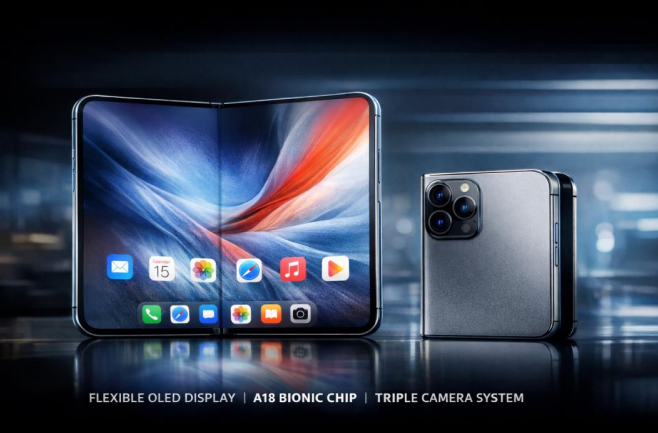
Apple is preparing to enter the foldable smartphone segment with its first iPhone Fold, a move that reflects both technological ambition and strategic positioning in the premium device market. Foldables, once a niche segment, have gained traction with Samsung’s Galaxy Z series and emerging Chinese brands, yet Apple’s entry is expected to reshape consumer perception due to its focus on design, ecosystem integration, and user experience. Analysts suggest the iPhone Fold could accelerate the adoption of foldable devices in key markets while reinforcing Apple’s reputation for innovation and premium product strategy.
For consumers, the Fold represents not just a new device, but a glimpse into the next generation of mobile computing—one that balances versatility, portability, and performance. Early rumours and leaks indicate that Apple aims to combine elegant design with practical usability, ensuring the iPhone Fold is not just an experimental product but a market-ready solution aligned with the expectations of its loyal user base.


Design and Display
The iPhone Fold is expected to feature a flexible OLED display within a titanium frame, similar to the finish of the iPhone 15 Pro. Apple appears to be focusing on minimizing the iPhone Fold crease and enhancing hinge durability, which may provide a smoother user experience compared to other foldable devices. The unfolded screen is rumoured to measure approximately 7.5 inches, providing a tablet-like experience, while the folded form remains compact and pocket-friendly.
Apple’s design priorities appear to be both functional and aesthetic. Beyond durability, the company is reportedly refining the hinge mechanism to make it nearly imperceptible when closed. Colours are expected to include classic shades such as graphite, silver, and gold, with a possible new edition specifically for the foldable model. While Samsung’s Galaxy Z Fold devices have set standards for foldable functionality, Apple seems focused on elegance, structural integrity, and seamless integration with its existing product line, ensuring that design does not compromise durability or usability.
Performance and Features
The iPhone Fold is expected to be powered by Apple’s latest A18 Bionic chip, optimized for multitasking across the foldable display. Users can anticipate smooth transitions between folded and unfolded modes, along with advanced multitasking capabilities. Split-screen app usage, pop-up widgets, and enhanced battery management are likely to be key features, designed to ensure that the device can handle demanding productivity tasks without compromising performance.
Integration with Apple’s ecosystem is expected to be a significant advantage. Continuity across devices such as the iPad and Mac allows users to interact seamlessly with multiple Apple devices, a feature that competitors struggle to replicate fully. Rumoured enhancements to iOS for foldable devices may include gesture-based navigation, optimized app layouts, and improved resource management to extend battery life.
Camera and Multimedia Capabilities
Apple is reportedly equipping the iPhone Fold with a triple-lens camera system, combining wide, ultra-wide, and telephoto lenses optimized for foldable ergonomics. The larger unfolded display could allow for precise framing, detailed previews, and improved editing capabilities on the device itself. Video recording and AR-enabled applications are also expected to benefit from the expanded screen, providing enhanced creative opportunities for content creators and professionals.
While Samsung’s Foldables offer comparable hardware specifications, Apple’s software integration and computational photography capabilities may deliver a more seamless experience, particularly in terms of photo processing and editing workflows. Users can expect the device to support advanced photography modes, including improved low-light performance and AI-assisted image enhancements, positioning it as a premium content creation tool in addition to a communication device.
Market Positioning and Pricing
The iPhone Fold is expected to launch in mid-2025, with pre-orders opening a few weeks prior. Pricing is likely to place it at the premium end of Apple’s product line, exceeding current iPhone Pro Max models. The device is aimed at early adopters, enterprise users, and loyal Apple ecosystem customers, leveraging both brand recognition and ecosystem advantages.
Key Highlights:
-
Launch in major markets including the US, Europe, and select Asian countries
-
Premium pricing likely starting above $1,800
-
Early adoption driven by design, ecosystem benefits, and multitasking capabilities
The iPhone Fold market positioning may reinforce Apple’s dominance in the high-end segment while introducing a new standard for foldable functionality. Analysts expect that the device could influence both competitors and app developers, particularly in optimizing software for flexible displays.
Market Impact and User Sentiment
The announcement of the iPhone Fold is expected to influence market trends significantly. Analysts anticipate increased adoption of premium foldable devices, particularly among enterprise and professional users who require multitasking capabilities on a portable device. App developers may also accelerate optimization for flexible displays, improving the overall ecosystem for foldables.
Early reactions from Apple communities indicate high levels of anticipation and discussion around design, durability, and usability. While some questions remain regarding the long-term performance of foldable displays, the overall sentiment suggests strong interest in combining Apple’s premium hardware with foldable versatility. This mirrors the trajectory observed with Samsung foldables, but with Apple’s integration-focused approach potentially giving it a unique market advantage.
Strategic Outlook
Apple’s entry into foldable technology represents a long-term strategic initiative rather than a short-term product experiment. Industry experts note that foldables could become a standard feature in the premium smartphone segment within the next three to five years, particularly if Apple successfully integrates design, performance, and ecosystem advantages.
The iPhone Fold also serves as a testing ground for innovations in display technology, hinge durability, and software optimization. While Samsung will remain a key competitor, Apple’s cohesive ecosystem and brand strength may redefine user expectations for foldables, particularly in terms of usability, reliability, and seamless integration.
Conclusion
The iPhone Fold is positioned to establish a new benchmark for premium foldable smartphones, combining innovative design, high-performance hardware, and ecosystem integration. Apple’s entry into a market long led by Samsung underscores the strategic importance of foldables in the future of mobile computing. For consumers, the Fold offers a blend of innovation, usability, and premium experience, reflecting Apple’s broader vision for the next generation of mobile devices.