

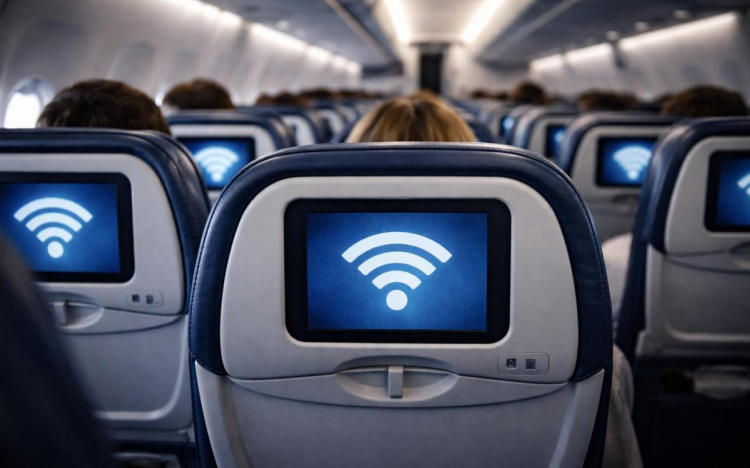
A major technological and strategic shift is unfolding in the global aviation industry as Amazon and Delta Air Lines have entered into a long-term partnership to deliver next-generation in-flight Wi-Fi services. The collaboration will leverage Amazon’s low-Earth orbit satellite network, commonly known as Project Kuiper or Amazon Leo, to provide high-speed, low-latency internet connectivity to passengers across hundreds of aircraft. This move marks a significant step in Amazon Delta WiFi expansion into the satellite communications and aviation sectors.
The agreement is particularly notable for its scale and ambition. Amazon Delta WiFi plans to install Amazon’s satellite-based Wi-Fi technology across an initial 500 aircraft starting in 2028, representing one of the largest airline connectivity upgrades in recent years. This rollout is expected to enhance passenger experience by enabling faster streaming, real-time communication, and improved digital services onboard flights.


Beyond customer experience, the partnership reflects a broader transformation in how airlines and technology companies collaborate. As connectivity becomes a core expectation for travelers, airlines are increasingly turning to advanced satellite networks to differentiate their services and remain competitive in a rapidly evolving market.
Strategic Scope and Technical Framework of the Partnership
The Amazon Delta WiFi collaboration is built around Amazon’s ambitious satellite internet initiative, which aims to deploy thousands of low-Earth orbit satellites to provide global connectivity. Unlike traditional geostationary satellites, these systems operate closer to Earth, enabling significantly lower latency and higher speeds—key factors for real-time applications such as video streaming and video calls during flights.
Amazon Delta WiFi integration of this technology will involve installing Amazon’s aviation-grade terminals on aircraft, enabling seamless connectivity across domestic routes initially, with potential expansion to international operations. The system is expected to deliver speeds three to five times faster than current in-flight Wi-Fi offerings, significantly improving user experience.
This initiative builds on Delta’s existing digital infrastructure, which already includes partnerships with providers such as Viasat and Hughes. By adding Amazon Delta WiFi network, Delta aims to create a multi-layered connectivity ecosystem that ensures reliability, speed, and scalability across its global fleet.
Competition with Starlink and the Emerging Satellite Internet Race
The partnership intensifies competition in the rapidly growing satellite internet market, where SpaceX’s Starlink currently holds a dominant position. Starlink has already secured agreements with multiple airlines, including United Airlines, Alaska Airlines, and Southwest Airlines, giving it a significant early advantage in aviation connectivity.
Amazon Delta WiFi entry into this space represents a direct challenge to Starlink’s dominance. With an investment of over $10 billion in its satellite program and more than 200 satellites already deployed, Amazon is positioning itself as a formidable competitor. The Amazon Delta WiFi deal marks one of its most high-profile wins, signaling growing confidence in its technology and long-term strategy.
Industry analysts view this competition as a catalyst for innovation. As multiple providers compete for airline partnerships, passengers are likely to benefit from faster speeds, lower costs, and more reliable connectivity. The “Wi-Fi war in the skies” is expected to reshape how airlines approach digital services and customer engagement.
Impact on Airline Industry and Passenger Experience
The introduction of high-speed satellite Wi-Fi is set to redefine the in-flight experience. Passengers will be able to stream high-definition content, participate in video calls, and access cloud-based applications without the interruptions that have traditionally plagued in-flight internet services.
Amazon Delta WiFi has emphasized that the new system will support a wide range of use cases, from entertainment to business productivity. Travelers will be able to upload files, attend virtual meetings, and stay connected with colleagues and family in real time. This level of connectivity effectively transforms the aircraft cabin into an extension of the digital workplace.
From an airline perspective, enhanced connectivity also opens new revenue streams and engagement opportunities. Personalized content, targeted advertising, and integrated digital services can create additional value for both airlines and their partners. The partnership with Amazon Web Services further enables Delta to leverage data and cloud capabilities to deliver tailored experiences to passengers.
Economic and Industry Implications
The Amazon Delta WiFi deal reflects broader economic trends in which technology companies are expanding into traditional industries through strategic partnerships. By entering the aviation connectivity market, Amazon is diversifying its business model and strengthening its position in the global technology ecosystem.
For the airline industry, the shift toward satellite-based connectivity represents a significant investment in infrastructure and innovation. Airlines are increasingly viewing digital services as a core component of their value proposition, rather than an optional add-on. This transformation is likely to drive further partnerships between airlines and technology firms.
The deal also has implications for global competition and market structure. As companies like Amazon and SpaceX invest heavily in satellite networks, the industry is likely to see consolidation, strategic alliances, and increased competition. This dynamic environment will shape the future of both aviation and telecommunications.
Conclusion
The Amazon Delta WiFi partnership marks a pivotal moment in the evolution of in-flight connectivity and the broader satellite internet industry. By combining advanced technology with strategic collaboration, the two companies are setting a new benchmark for digital experiences in aviation.
In the near term, the focus will be on execution, including satellite deployment, regulatory approvals, and integration across Delta’s fleet. The success of the initiative will depend on Amazon’s ability to scale its satellite network and deliver consistent performance.
Looking ahead, the partnership is likely to accelerate innovation and competition in the sector, ultimately benefiting consumers through improved connectivity and enhanced travel experiences. As the boundaries between technology and transportation continue to blur, collaborations of this nature will play a crucial role in shaping the future of global mobility and digital infrastructure.


