
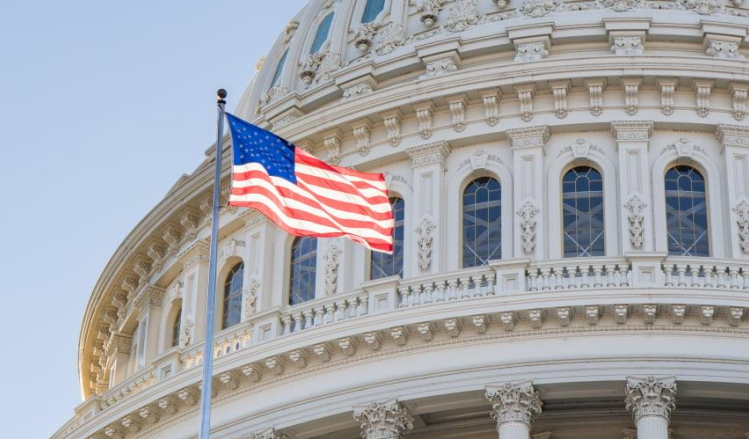
The United States government has announced a suspension of immigrant visa processing for nationals of 75 countries, a move that significantly reshapes the country’s immigration landscape. The measure applies to most categories of permanent immigration, including family-sponsored and employment-based U.S. immigrant visa suspension visas, while temporary visas such as tourist, business, student, and certain diplomatic categories remain outside the scope of the suspension.
According to official statements, the decision is part of a broader review of immigration systems and vetting mechanisms. The suspension has been described as open-ended, with no definitive timeline provided for its lifting, creating immediate uncertainty for applicants already in various stages of processing across U.S. immigrant visa suspension embassies and consulates worldwide.


Countries Affected and Implementation Details
The affected list spans Africa, Asia, the Middle East, Latin America, and parts of Eastern Europe, making it one of the most geographically extensive immigration pauses in recent years.
U.S. immigrant visa suspension officials clarified that:
- New immigrant visa applications from these countries will not be accepted during the suspension period.
- Ongoing cases that have not yet received final approval are likely to face delays or administrative holds.
- Cases deemed to involve exceptional humanitarian grounds may be reviewed individually, though such exemptions are expected to be limited.
Consular posts have begun notifying applicants through official channels, advising them to await further instructions. Immigration attorneys and advocacy groups report a surge in inquiries from affected families, particularly those awaiting reunification under family preference categories.
Government Rationale and Official Statements
U.S. immigrant visa suspension authorities have framed the move as an administrative and security-driven decision rather than a permanent ban. In official briefings, senior officials cited:
- The need to reassess immigration screening and compliance mechanisms,
- Concerns over fraud prevention and documentation verification, and
- Broader efforts to align immigration policy with domestic economic and security priorities.
Government spokespersons emphasized that the suspension is not intended to target specific populations, but critics argue that the scale and country coverage raise questions about proportionality and transparency. Officials reiterated that temporary visa routes remain open, underscoring the distinction between long-term immigration and short-term travel.
Domestic and International Reactions
The policy has prompted mixed reactions within the United States and abroad. Supporters argue that the suspension allows the government to streamline and strengthen immigration systems under strain. They point to existing backlogs and administrative capacity challenges as justification for a temporary pause.
Conversely, immigrant rights organizations, foreign governments, and sections of the business community have expressed concern. Critics warn that family reunification processes may be severely disrupted, employers relying on permanent skilled migration could face talent shortages, and the move may strain diplomatic relations with affected countries.
Several governments have sought clarification through diplomatic channels, while legal experts anticipate potential challenges questioning the policy’s scope and implementation.
Implications and What Comes Next
In the near term, the suspension is expected to slow permanent immigration inflows, adding to existing processing backlogs. Applicants from the affected countries face prolonged uncertainty, particularly those who have already completed interviews or medical examinations.
Looking ahead, the policy’s duration and eventual outcome will depend on the results of the internal review cited by U.S. immigrant visa suspension authorities. Observers note that immigration has become an increasingly central issue in U.S. domestic politics, suggesting that further adjustments either tightening or easing remain possible.
Until formal guidance is issued, applicants and stakeholders are advised to monitor official communications from U.S. immigrant visa suspension embassies and immigration authorities, as well as any legislative or judicial developments that could influence the policy’s future trajectory.